Links contained in this post and elsewhere on my website may include affiliate links. When you make a purchase through these links, I earn a commission at no additional cost to you. I only link to products and services that I love - and that I think you will love, too!
I realize that I haven’t shared much about my journey with Lyme disease. It’s an uncomfortable time to reflect on, but changed my relationship with herbalism in important ways. I loved playing in my grandmother’s herb garden as a child and avidly read every book about herbalism I could find. However, it wasn’t until my Lyme disease diagnosis that I began applying herbalism in my life. It also set me on the path of seeking out formal herbal education.
Is it Lyme disease?
When I was nineteen, almost twenty, I developed a sudden onset high fever and joint pain, followed by severe nerve and muscle pain. My doctor initially dismissed it as the flu. But I never fully recovered. I struggled with brain fog, extreme fatigue, and joint pain in my knees. The nerve and muscle pain lingered.
After a year and a half with these mysterious symptoms and multiple doctors appointments, a friend of mine recommended I see a holistic health coach who was a retired nurse. She listened carefully to my story. After learning that I spent most of my free time outdoors, she insisted I find a doctor who would test me for Lyme disease.
I pushed back initially. Of course I knew what it was, most people who spent time outdoors had heard of it. But in the early 2000s, most people thought of Lyme as a New England problem. Even my doctor scoffed and said, “We don’t have that here.”
So I changed doctors. The new doctor was skeptical, but also admitted I’d been tested for everything else. So she ordered the bloodwork. A few days later, she called me and asked if I could come into her office on my lunch break.
My Lyme disease diagnosis
She saw me in between patients in her office instead of an exam room. I sat down across from her and she pushed a prescription across the desk. “Congratulations! I get to talk about you at dinner parties now!” she said. “Both the ELISA and Western blot were positive. So we’ll start with two weeks of doxycycline and see how it goes.”
We were both astonished by the results. My pain cleared up and I could think clearly again. The fatigue disappeared. I was back to my usual active lifestyle and so grateful.
The relapse
Unfortunately, it didn’t last. All of my symptoms came back a few months later. Now there’s more literacy around Lyme, and doctors know it’s not uncommon to have this relapse if you’ve had Lyme for awhile before you start antibiotics.
But at the time, we were stumped. She referred me to an infectious disease specialist.
He was rude and dismissive. “These test results have to be a false positive. There’s no way you could possibly have Lyme disease,” he informed me. “You’re just hysterical and have an eating disorder.”
I stared at him in disbelief, my temper rising. “You don’t get to say that,” I informed him. “You didn’t know me before I got sick!”
To this day I don’t know what inspired me to stand up to him, but I was furious. “I’ve been sick for almost three years now. You’d be upset too, if you’d been sick for three years. You’d have trouble keeping weight on too, if you’d been sick for three years! I may be young and I may be female, but that’s not an excuse for you to be dismissive.”
His mouth dropped open in disbelief. Obviously unaccustomed to being challenged or called out, he stuttered and huffed. “Well. Fine. If you think it would make you feel better, I’ll give you a month’s worth of doxycycline.”
I took the prescription. “My doctor did her residency with you. It’s why she recommended I come here. I’ll let her know how you treated me.”
After the relapse
Back at my doctor’s office, we went over my appointment with the infectious disease specialist. She was as outraged as I was. “Why would he give you a month of doxycycline if he didn’t think you had Lyme? Well, go ahead and fill it. We’ll see what happens. And I’m so sorry he was so rude. I’m never sending anyone to see him again.”
I filled the prescription and stopped at the library on the way home. I was in a low place. What would I do if the antibiotics didn’t work this time? What if my body couldn’t shake the infection? Would I ever enjoy hiking and horseback riding again? Or even gardening? By now, I’d seen the documentary Under Our Skin that came out in 2008 and knew that chronic Lyme could become a long fight.
At the library, I browsed through the herbal books. My favorite section. Among the books I’d already borrowed, I found a battered copy of a book I hadn’t seen before: Healing Lyme by Stephen Harrod Buhner. It gave me hope – first, because it even existed. Second, because it was obviously well-loved. I wasn’t alone. Other people were looking for answers to the same questions.
Holistic support on my Lyme disease journey
That book inspired me to look at the more complex aspects of herbalism and begin applying it more systematically in my own life. I began to learn about herbalism beyond the capsules at the health food store where I worked.
I took the antibiotics and experimented with traditional herbs, gradually finding the ones that were the best fit for the challenges I faced. My wellness coach helped me with vitamin and mineral supplements and lifestyle changes to support my body and immune system. My energy slowly returned and the brain fog receded.
The nerve and joint pains were the last things to fade, but they did- slowly and surely. I enrolled in my first formal herbalism courses, and then started this blog in 2011. In different seasons in my herbal career, I went on to write a book, teach classes, and work with clients.
My herbal journey has been long, complex, and vibrant. I’ve had so much love and support along the way. And I can finally look back on the way Lyme disease shaped who I am now. Not with comfort, exactly, but with an appreciation for the resilience it helped me build and awe at how intricately all parts of nature are intertwined.
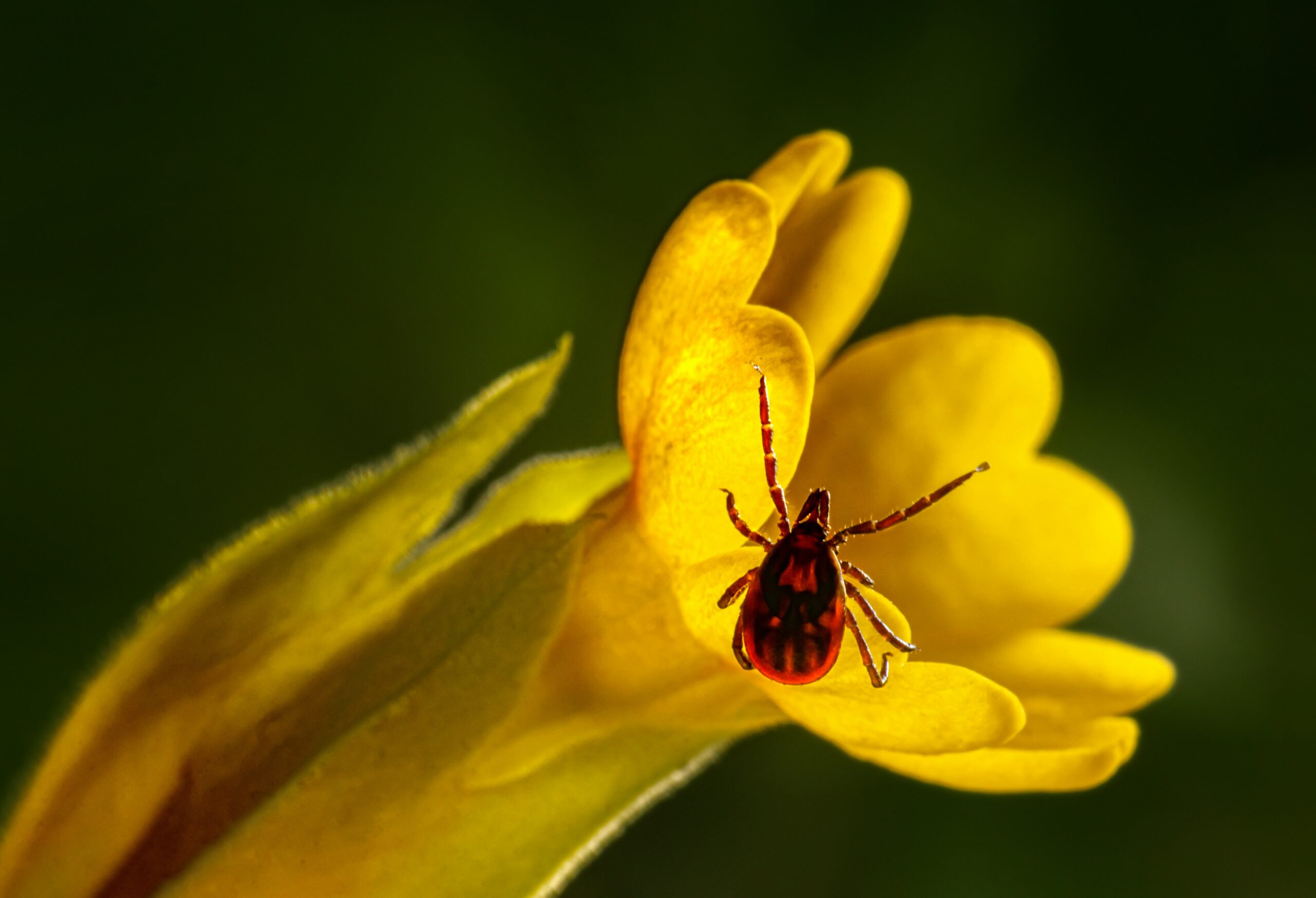
Photo by Erik Karits on Unsplash